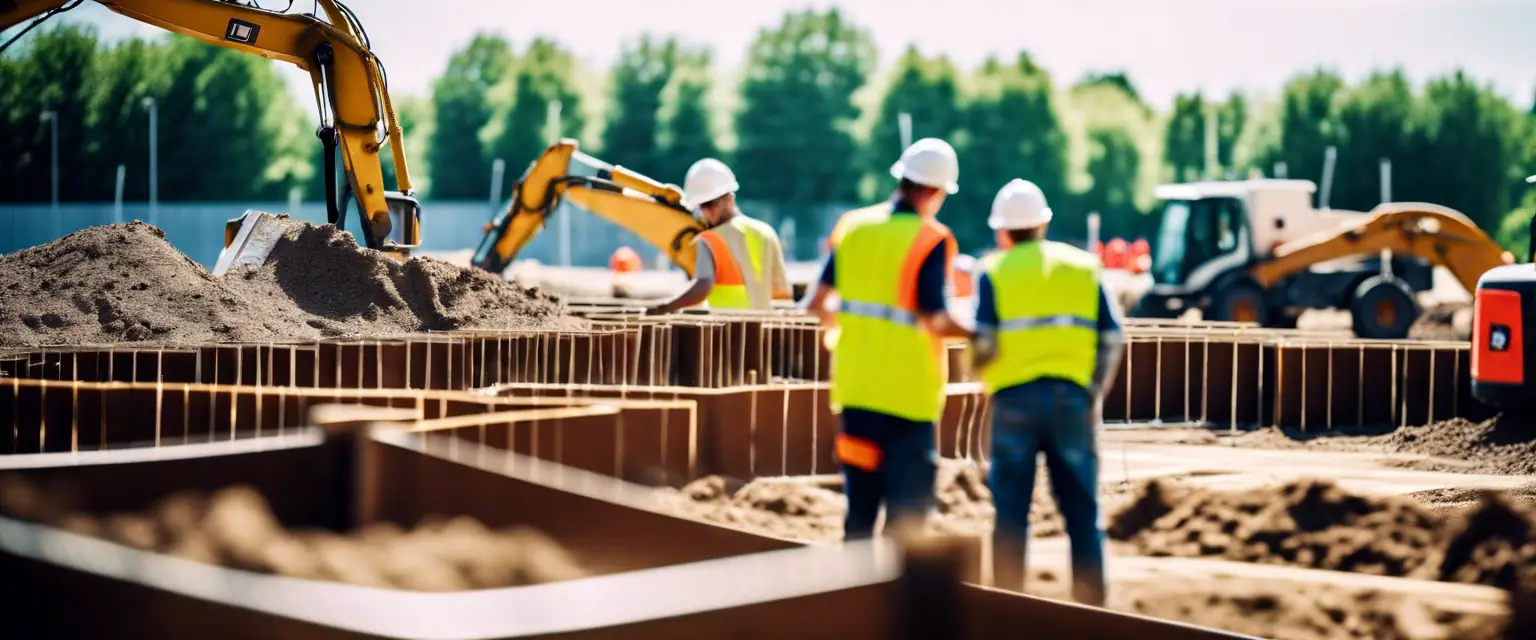

Quality control is a systematic process that ensures construction projects meet established standards and specifications. It involves regular inspections, testing of materials, and monitoring of construction practices. By implementing a robust quality control program, clients can ensure that their projects are completed to the highest standards. This not only enhances the safety and durability of the structures but also protects the client’s investment.
One of the key components of quality control is the use of standardized procedures and protocols. These guidelines help to ensure consistency in the work being performed and provide a framework for evaluating the quality of materials and workmanship. Additionally, quality control measures can help to identify potential issues before they become significant problems, allowing for timely interventions.
In today’s competitive construction market, having a strong quality control program is more important than ever. Clients are increasingly demanding transparency and accountability from their contractors, and quality control provides a means to achieve this. By prioritizing quality, construction firms can differentiate themselves and build a reputation for excellence in the industry.